Lima, Peru — A Real Long-Stay Experience | Slow Travel Made Simple
Long-stay reality, not first impressions
I landed in Lima, Peru, expecting to stay for five weeks before heading south to Arequipa — but some cities have a way of keeping you longer than planned. I wound up staying in Lima long enough for the city to shift from unfamiliar to functional — and was grateful I did.
Over time, Lima revealed itself: complex, contradictory, and far more livable than first impressions suggested. Daily routines formed. Different areas revealed distinct identities. What once felt chaotic became navigable, even comfortable.
Lima isn’t a postcard city. It’s sprawling, lived-in, and shaped by everyday rhythms that only appear once sightseeing gives way to settling in. That’s why it can work well for extended stays — when expectations and planning align with reality. This draws on real long-stay experience in Lima and highlights the practical factors that determine whether a destination genuinely works for life abroad.
City Scale & Urban Energy
Lima is enormous — a metro area of over 12 million — and that scale shapes daily life. Accommodation location matters more than in smaller cities: walkability, noise levels, access to parks, and proximity to services vary dramatically by district. The city’s energy is constant: street vendors, traffic, late-night cafés, and busy sidewalks. This intensity is navigable — but it can be an adjustment for people used to quieter environments. Lima is full of carefully maintained green spaces. Even in densely populated areas, a break in a park can be tranquil.
Living in Miraflores & Jesús María
My time in Lima was split between Miraflores, a coastal district popular with international visitors, and Jesús María, a more residential neighborhood with fewer tourists. Each offered a different daily-life experience.
Miraflores provided walkable access to oceanfront paths, cafés, bakeries, markets, and coworking-friendly coffee shops. It felt lively, international, and convenient — an easy base for first-time long stays.
Jesús María, by contrast, felt distinctly local. Fewer English speakers, more everyday errands, and quieter residential streets shaped routines. Local markets, neighborhood parks, and small bakeries became part of daily life. Internet reliability and modern apartment infrastructure made it well-suited for remote work. These two neighborhoods together offered both convenience and deeper immersion.

Typical Monthly Living Costs
Long-stay budgeting in Lima commonly includes:
Housing
Furnished apartments in popular districts such as Miraflores, Barranco, and San Isidro command higher monthly rates. Smaller units and local rentals outside tourist zones offer lower pricing. For example, my first apartment (one bedroom, two bathrooms, no balcony) in Jesús María was $20.84 per day (37 nights). My second apartment (two bedrooms, two bathrooms, balcony) in Miraflores was $31.51 per day (43 nights). Both were in buildings with elevators and 24/7 staffing, and both units had full kitchens, hot water, and washers.
Utilities
Electricity, water, and internet are generally affordable and reliable in central districts. In my bookings, these were included. I experienced brief water outages in the Jesús María unit. In both apartments, internet reliability was excellent.
Food
Groceries are reasonably priced. That might actually be understated, as I was genuinely surprised the first few times I went grocery shopping. You can get groceries delivered or shop at a variety of grocery stores, vendors, and convenience stores. Lima’s food culture shapes daily life. From inexpensive menu del día lunches to world-renowned restaurants, eating out ranges from practical to exceptional. Chifa restaurants and street food vendors are ubiquitous. Neighborhood bakeries and fresh produce markets made cooking at home easy and affordable. Prices are generally lower outside of Miraflores, Barranco, and San Isidro.
Transportation
Ride-hailing apps are widely used. Public transport is inexpensive but crowded. Walkability depends heavily on neighborhood choice. It was easy to use Uber to quickly get a car without exception. I found Uber to be more reliable than other apps in Lima.
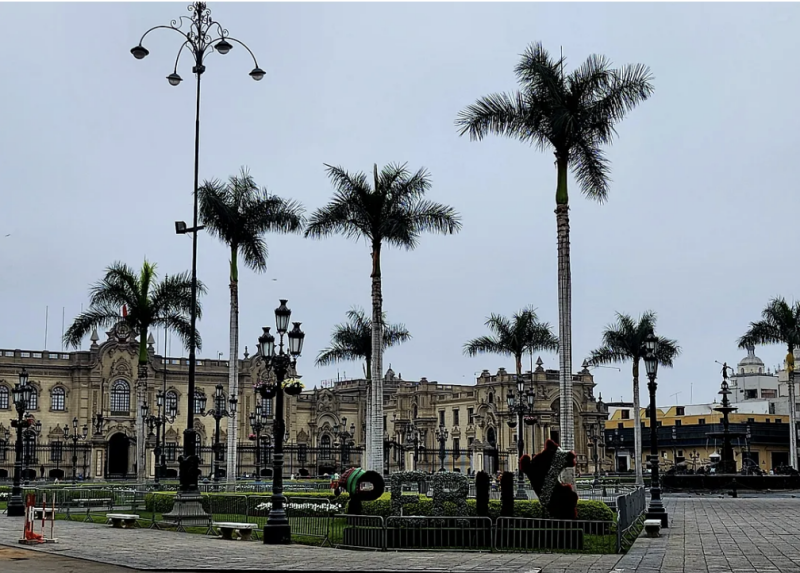
Daily Life & Practical Realities
Living in Lima long enough to settle in meant daily routines became familiar rather than foreign. Ordinary tasks — grocery runs, morning cafés, neighborhood walks, and evening meals — formed the texture of everyday life.
Extended stays revealed:
-
Shopping between local markets and modern supermarkets
-
Using ride-hailing apps and public transit for daily movement
-
Establishing comfortable routines for meals, errands, and social life
-
Learning local customs around service, pacing, and daily schedules
These experiences reinforced that long-stay travel isn’t only about attractions — it’s about feeling at home in the day-to-day.
Who a Long Stay in Lima Works Well For
Lima tends to work best for travelers who:
-
Want an affordable long-stay base in a large international city
-
Are comfortable navigating busy urban environments
-
Enjoy strong food culture and coastal climates
-
Prefer neighborhoods with modern infrastructure and reliable internet
-
Appreciate cities that feel lived-in rather than curated for tourism
It may be less ideal for travelers seeking quiet small-town settings or highly walkable compact cities.
Arrival & Setup Tips
-
Arrange local SIM or eSIM before arrival for ride-hailing access
-
Choose housing based on walkability and internet reliability
-
Expect occasional water interruptions in some districts
-
Use Uber for safe, predictable city transport
Actual monthly totals depend on housing standards, dining habits, and location — so comparing expected costs with real long-stay conditions before committing can prevent surprises.
Compare your current living costs with realistic long-stay costs in your destination. Get a free Stay Cost Snapshot to see what’s possible